

Introduction
Cybersecurity has become one of the most important parts of modern technology in 2026. As people and businesses rely more on digital platforms for communication, banking, shopping, education, and work, cyber threats are also increasing rapidly. Hackers are using advanced techniques, artificial intelligence, and automated systems to target personal devices, business networks, and online accounts.
Cybersecurity news 2026 shows that companies worldwide are investing heavily in digital security to protect sensitive information and prevent cyberattacks. Governments, businesses, schools, and healthcare organizations now consider cybersecurity a top priority because cybercrime can cause financial loss, data theft, and damage to reputation.
Modern cyber threats are more advanced than ever before. Attackers are using phishing emails, ransomware, malware, and AI-powered hacking tools to exploit security weaknesses. Because of this, cybersecurity companies are developing smarter protection systems using artificial intelligence and automation.
This article explores the latest cybersecurity news in 2026, including emerging threats, security trends, practical examples, and future cybersecurity technologies.
AI-Powered Cyberattacks Are Increasing
Artificial intelligence is helping businesses improve security, but cybercriminals are also using AI for attacks. AI-powered cyberattacks are becoming one of the biggest cybersecurity concerns in 2026.
Hackers now use AI systems to:
- Create fake emails
- Generate phishing scams
- Automate hacking attempts
- Crack weak passwords
- Analyze security vulnerabilities

Practical Example
A hacker can use AI-generated phishing emails that look similar to real company messages. Employees may accidentally click harmful links and expose sensitive information.
Deepfake Technology Risks
Deepfake AI technology can create realistic fake videos and voice recordings. Cybercriminals may use deepfakes for scams, identity fraud, and misinformation campaigns.
Ransomware Attacks Continue to Grow
Ransomware remains one of the most dangerous cyber threats in 2026. In ransomware attacks, hackers lock important files or systems and demand payment to restore access.
Industries Commonly Targeted
- Hospitals
- Banks
- Government organizations
- Schools
- Businesses
Practical Example
A hospital hit by ransomware may lose access to patient records and important systems, causing major operational problems.
How Businesses Protect Against Ransomware
Companies now use:
- Data backups
- Advanced antivirus software
- Employee training
- Multi-factor authentication
- AI-powered threat detection
These measures help reduce cybersecurity risks.
Cloud Security Is Becoming More Important
Cloud computing continues growing in 2026, but cloud systems also face security challenges. Businesses now store large amounts of sensitive information on cloud platforms.
Common Cloud Security Risks
- Data leaks
- Weak passwords
- Unauthorized access
- Misconfigured cloud systems
- Insider threats
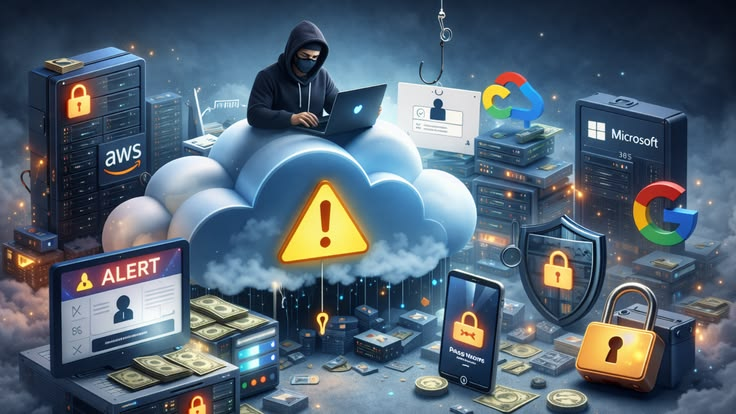
Practical Example
A business using weak cloud security settings may accidentally expose customer data online.
Cloud Security Solutions
Modern cloud security tools can:
- Encrypt data
- Monitor suspicious activity
- Prevent unauthorized access
- Detect cyber threats automatically
Businesses are investing heavily in secure cloud infrastructure.
Phishing Attacks Are Becoming Smarter
Phishing remains one of the most common cybersecurity threats in 2026. Cybercriminals create fake emails, websites, and messages to steal sensitive information.
Common Phishing Targets
- Banking information
- Social media accounts
- Business login credentials
- Online payment details
Practical Example
A fake banking email may ask users to enter passwords on a fraudulent website that looks real.
How to Avoid Phishing Attacks
People should:
- Avoid clicking suspicious links
- Verify email senders
- Use strong passwords
- Enable two-factor authentication
- Update software regularly
Cybersecurity awareness is extremely important.
AI-Powered Cybersecurity Solutions
Artificial intelligence is also improving cybersecurity protection. Modern AI security systems can detect threats faster than traditional methods.
AI Cybersecurity Features
- Real-time threat detection
- Automated malware blocking
- Network monitoring
- Fraud prevention
- Security analytics
Practical Example
Banks now use AI systems to detect unusual transactions instantly and block possible fraud automatically.
Benefits of AI Security
- Faster threat detection
- Reduced human error
- Improved network monitoring
- Better data protection
AI is becoming essential for digital security in 2026.
Internet of Things Security Challenges
The Internet of Things (IoT) continues expanding rapidly. Smart devices such as cameras, smart TVs, smart speakers, and wearable gadgets connect to the internet daily.
IoT Security Risks
- Weak device passwords
- Outdated software
- Unsecured networks
- Device hacking
Practical Example
A hacker can target insecure smart home devices and gain access to personal networks.
Improving IoT Security
Users should:
- Change default passwords
- Update device software
- Use secure Wi-Fi networks
- Disable unused features
IoT security is becoming increasingly important as more devices connect online.
Cybersecurity in Remote Work
Remote work remains common in 2026, creating new cybersecurity challenges for businesses.
Remote Work Security Risks
- Public Wi-Fi attacks
- Weak home network security
- Unsecured devices
- Phishing scams
Practical Example
An employee using public Wi-Fi without protection may expose company information to hackers.
Remote Work Security Solutions
Companies now use:
- VPN services
- Secure cloud platforms
- Employee cybersecurity training
- Device monitoring tools
These solutions help protect remote workers and company systems.
Ethical Hacking and Penetration Testing
Businesses are hiring ethical hackers to improve cybersecurity. Ethical hackers test systems and identify security weaknesses before criminals exploit them.
Benefits of Ethical Hacking
- Finds security vulnerabilities
- Improves system protection
- Prevents data breaches
- Strengthens network security
Practical Example
A company may hire cybersecurity experts to test its website security and identify weak points.
Ethical hacking is becoming one of the fastest-growing technology careers.
Data Privacy and User Protection
Data privacy remains a major concern in cybersecurity news 2026. Companies collect large amounts of user data, increasing the importance of privacy protection.
Common Privacy Concerns
- Data tracking
- Identity theft
- Unauthorized data sharing
- Social media privacy risks
Practical Example
A weak security system can expose customer information such as names, passwords, and payment details.
How Users Can Improve Privacy
Users should:
- Use strong passwords
- Avoid suspicious websites
- Limit personal information sharing
- Enable security settings
Digital privacy awareness is essential.
Cybersecurity Jobs and Career Growth
Cybersecurity careers are growing rapidly because businesses need skilled professionals to protect digital systems.
Popular Cybersecurity Careers
- Security analyst
- Ethical hacker
- Network security engineer
- Cybersecurity consultant
- Malware analyst
Skills Needed in Cybersecurity
- Network security
- Threat analysis
- Ethical hacking
- Programming
- Risk management
Cybersecurity professionals are in high demand globally.
Future Cybersecurity Trends
Experts predict cybersecurity technology will continue evolving rapidly. Future cybersecurity trends may include:
- AI-powered security systems
- Quantum encryption
- Biometric authentication
- Advanced threat intelligence
- Automated cyber defense
These technologies may improve digital security significantly in the future.
Importance of Cybersecurity Awareness
Cybersecurity awareness is essential for both businesses and individuals. Many cyberattacks happen because users ignore basic security practices.
Important Cybersecurity Habits
- Use strong passwords
- Keep software updated
- Avoid suspicious links
- Enable multi-factor authentication
- Back up important data
Simple security habits can prevent major cyber problems.
FAQs
What is cybersecurity?
Cybersecurity is the practice of protecting computers, networks, systems, and data from cyber threats and attacks.
Why is cybersecurity important in 2026?
Cybersecurity is important because cyberattacks and online threats are increasing rapidly worldwide.
What is ransomware?
Ransomware is malicious software that locks files or systems and demands payment to restore access.
How does AI help cybersecurity?
AI helps detect threats, monitor systems, prevent fraud, and improve digital security automatically.
What are phishing attacks?
Phishing attacks are fake emails or websites designed to steal passwords and personal information.
Conclusion
Cybersecurity news 2026 clearly shows that digital security has become more important than ever before. As technology continues growing, cybercriminals are using advanced tools and AI-powered attacks to target businesses and individuals.
At the same time, companies are developing stronger cybersecurity systems using artificial intelligence, automation, cloud security, and advanced threat detection. Businesses and users who follow good security practices can reduce cyber risks and protect sensitive information.
The future of cybersecurity will focus on smarter protection systems, stronger privacy solutions, and better user awareness. Staying informed about cybersecurity trends is essential for safely using modern digital technology.