
Introduction
Search Engine Optimization (SEO) remains one of the most important digital marketing strategies in 2026. Businesses, bloggers, online stores, and content creators use SEO to improve website rankings, increase traffic, and grow online visibility.
Search engines are becoming smarter every year. Google now focuses more on user experience, helpful content, AI-powered search results, and website quality instead of simple keyword stuffing. Because of these changes, modern SEO requires a combination of high-quality content, technical optimization, fast websites, and strong user engagement.
SEO is important because millions of people use search engines daily to find products, services, information, and solutions. Websites that appear higher in search results usually receive more visitors and better business opportunities.
Experts say SEO in 2026 is heavily influenced by AI search systems, mobile optimization, Generative Engine Optimization (GEO), and user-focused content strategies. (searchenginejournal.com)
This article explores the best SEO tips and tricks in 2026, practical examples, and strategies to improve website rankings and online growth.
Create High-Quality Content
High-quality content is one of the most important SEO factors in 2026. Search engines prioritize useful, informative, and original content that helps users solve problems.
What Makes Content High Quality?
- Clear information
- Easy readability
- Helpful answers
- Original writing
- Updated information
- Proper structure
Practical Example
A technology blog should provide detailed explanations, practical examples, and updated information instead of short generic articles.
Why Quality Matters
Google rewards content that:
- Helps users
- Answers search intent
- Keeps visitors engaged
Experts continue emphasizing that helpful content remains the foundation of strong SEO. (backlinko.com)
Focus on Search Intent
Search intent means understanding what users actually want when they search online.
Main Types of Search Intent
- Informational
- Navigational
- Transactional
- Commercial investigation
Practical Example
If someone searches “best AI tools,” they likely want recommendations and comparisons instead of technical definitions.
SEO Tip
Create content that directly matches user intent to improve rankings and engagement.
Use Keywords Naturally
Keywords are still important for SEO, but keyword stuffing no longer works.
Best Keyword Practices
- Use focus keywords naturally
- Add related keywords
- Include keywords in headings
- Optimize meta titles and descriptions
Practical Example
If your keyword is “SEO Tips and Tricks,” include it naturally in:
- Title
- Introduction
- Headings
- URL
- Meta description
Avoid Keyword Stuffing
Overusing keywords can reduce readability and harm rankings.
Optimize for AI Search and GEO
SEO is changing because AI-generated search results are becoming more common.

What Is GEO?
Generative Engine Optimization (GEO) helps websites appear inside AI-generated answers from systems like ChatGPT and Google AI Overviews.
How to Optimize for GEO
- Write clear answers
- Use structured headings
- Add FAQs
- Use entity-based content
- Improve topical authority
Practical Example
A blog post with detailed FAQs and direct answers is more likely to appear in AI-generated summaries.
AI Search Is Growing
Experts report that AI-powered search is changing how users discover websites online. (searchengineland.com)
Improve Website Speed
Website speed is an important ranking factor because users prefer fast-loading websites.
Ways to Improve Speed
- Compress images
- Use fast hosting
- Minimize code
- Enable caching
- Optimize mobile performance
Practical Example
A slow eCommerce website may lose customers because visitors leave before pages load fully.
Why Speed Matters
Fast websites improve:
- User experience
- Engagement
- Conversion rates
- SEO rankings
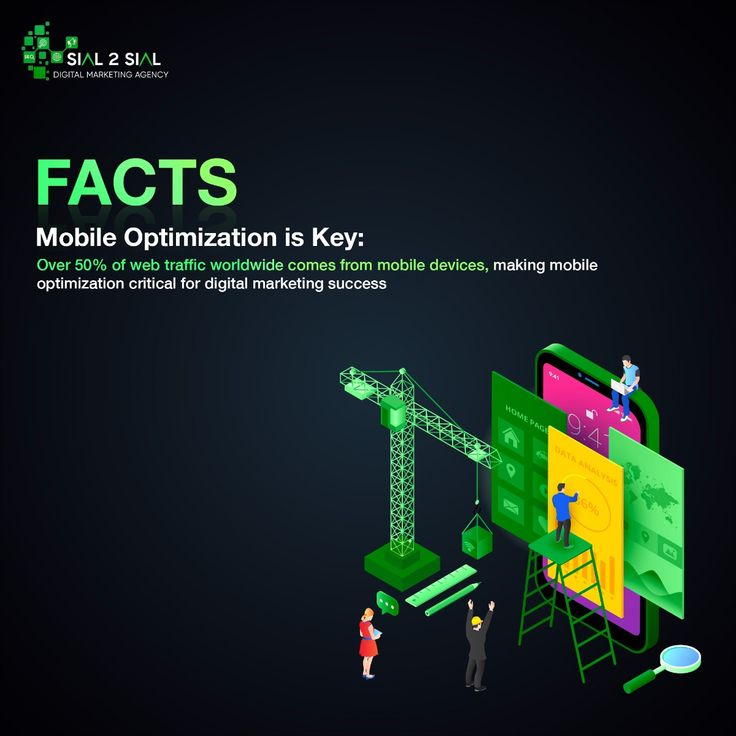
Mobile Optimization Is Essential
Most internet users now browse websites on smartphones.
Mobile SEO Tips
- Use responsive design
- Improve mobile speed
- Make text easy to read
- Optimize buttons and navigation
Practical Example
A website that works perfectly on desktop but poorly on mobile may lose rankings and visitors.
Google Prioritizes Mobile Experience
Mobile-friendly websites perform better in search rankings. (developers.google.com)
Use SEO-Friendly Headings
Headings help search engines understand your content structure.
Best Heading Practices
- Use H1 for the main title
- Use H2 and H3 for subheadings
- Include keywords naturally
- Keep headings clear
Practical Example
An article about digital marketing can include headings like:
- AI Marketing Trends
- SEO Strategies
- Social Media Growth
Why Headings Matter
Proper headings improve:
- Readability
- User experience
- Search engine understanding
Optimize Meta Titles and Descriptions
Meta titles and descriptions help improve click-through rates from search results.
Meta Title Tips
- Include focus keyword
- Keep titles attractive
- Stay under recommended length
Meta Description Tips
- Summarize content clearly
- Encourage clicks
- Include relevant keywords
Practical Example
A strong meta title can increase website traffic by attracting more clicks from Google search results.
Internal Linking Improves SEO
Internal links connect pages within your website.
Benefits of Internal Linking
- Better website navigation
- Improved user experience
- Increased page authority
- Better indexing
Practical Example
A blog post about AI tools can link to related articles about AI productivity or AI writing software.
SEO Tip
Link related content naturally to keep users engaged longer.
Build High-Quality Backlinks
Backlinks remain one of the strongest SEO ranking factors.
What Are Backlinks?
Backlinks are links from other websites pointing to your content.
How to Get Backlinks
- Create valuable content
- Guest posting
- Share research and data
- Build relationships with websites
Practical Example
A detailed technology guide may receive backlinks from blogs and online publications.
Quality Matters More Than Quantity
Search engines prefer backlinks from trusted and relevant websites.
Use Images and Alt Text
Images improve user engagement and content quality.
Image SEO Tips
- Compress images
- Use descriptive filenames
- Add alt text
- Optimize image sizes
Practical Example
An image about AI marketing should use alt text like:
“AI digital marketing trends 2026”
Why Alt Text Matters
Alt text helps:
- Search engines understand images
- Improve accessibility
- Increase image search visibility
Add FAQ Sections
FAQ sections improve SEO because they answer common user questions directly.
Benefits of FAQs
- Better user experience
- Increased keyword relevance
- Higher chances of appearing in featured snippets
Practical Example
An SEO article can answer:
- What is SEO?
- Why is SEO important?
- How long does SEO take?
Featured Snippets and AI Search
Well-structured FAQ sections can improve visibility in AI-generated answers. (searchenginejournal.com)
Focus on User Experience
User experience is becoming more important for SEO rankings.
Improve User Experience By
- Making websites easy to navigate
- Reducing popups
- Improving readability
- Using clear layouts
Practical Example
A clean and organized website encourages users to stay longer and explore more pages.
Engagement Signals Matter
Search engines monitor:
- Bounce rate
- Time on site
- User interaction
Better engagement can improve rankings.
Use Video Content for SEO
Video content is growing rapidly and improving online engagement.
Benefits of Video SEO
- Increased traffic
- Better engagement
- Longer session time
- More visibility
Practical Example
A business can create tutorial videos and embed them inside blog posts.
YouTube SEO Growth
YouTube continues becoming an important search platform for businesses and creators.
Track SEO Performance
Monitoring SEO performance helps identify what works and what needs improvement.
Popular SEO Tools
- Google Search Console
- Google Analytics
- Ahrefs
- SEMrush
What to Track
- Website traffic
- Keyword rankings
- Click-through rates
- Backlinks
- Page speed
Practical Example
A blogger can track which articles receive the most search traffic and update them regularly.
Common SEO Mistakes to Avoid
Keyword Stuffing
Using keywords excessively reduces content quality.
Duplicate Content
Copied content can harm rankings.
Slow Websites
Poor performance negatively affects user experience.
Ignoring Mobile Users
Mobile optimization is essential in 2026.
Weak Content
Thin or low-quality articles rarely rank well.
Future of SEO
SEO will continue evolving with AI and advanced search technologies.
Future SEO Trends
- AI-powered search
- Voice search optimization
- Visual search
- Personalized search results
- Smarter ranking systems
AI and Search Engines
Experts believe AI-generated search experiences will continue changing traditional SEO strategies. (searchengineland.com)
FAQs
What are SEO tips and tricks?
SEO tips and tricks are strategies used to improve website rankings and increase search engine traffic.
Why is SEO important in 2026?
SEO helps websites gain visibility, attract visitors, and grow online businesses.
What is GEO in SEO?
Generative Engine Optimization (GEO) helps websites appear inside AI-generated search answers.
Does website speed affect SEO?
Yes, fast-loading websites improve user experience and search rankings.
Are keywords still important for SEO?
Yes, keywords remain important, but they should be used naturally and strategically.
Conclusion
SEO in 2026 is more advanced, competitive, and user-focused than ever before. Businesses and content creators now need high-quality content, fast websites, mobile optimization, AI search visibility, and strong user experience to achieve better rankings.
Modern SEO strategies focus on helpful content, Generative Engine Optimization, video marketing, structured content, and AI-friendly answers. Websites that adapt to these changes can improve traffic, engagement, and online success.
The future of SEO will continue evolving with artificial intelligence and smarter search systems, making quality content and user experience more important than ever.